Bamboo Luck and Love Japanese Design Journal
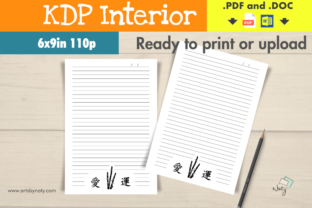
In the world of low-content publishing and personal organization, visual resonance is just as important as functional utility. The Bamboo Luck and Love Japanese Design aesthetic offers a sophisticated intersection of cultural symbolism and minimalist structure. This specific design philosophy moves beyond generic floral patterns to embrace the deeper narrative of resilience, flexibility, and prosperity found in traditional East Asian art. For creators, entrepreneurs, and individuals seeking a meaningful canvas for their thoughts, this 6x9 inch, 110-page journal provides more than just paper; it offers a thematic anchor for daily practice.
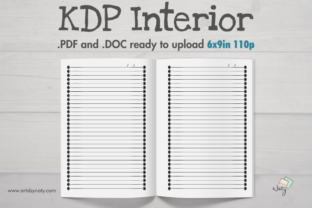
This KDP interior is engineered for immediate application. It arrives as a high-resolution PDF ready for upload alongside an editable DOC file, allowing you to customize the "This notebook belongs to" page and the copyright notice without compromising the integrity of the artwork. There are no watermarks, ensuring a professional finish whether you are publishing for a niche audience or creating a personalized gift. Understanding how to leverage this specific aesthetic can transform a simple notebook into a targeted tool for mindfulness, business planning, or creative expression.
The Symbolism Behind the Aesthetic
To effectively use or market a journal featuring Bamboo Luck and Love Japanese Design, one must understand the weight of the imagery. In Japanese culture, bamboo is not merely decorative; it is a profound symbol of strength and adaptability. Unlike rigid oak trees that break in typhoons, bamboo bends with the wind and returns to its upright position once the storm passes. This makes it an ideal metaphor for entrepreneurs, freelancers, and creatives who navigate volatile markets and shifting project scopes.
The inclusion of "luck" and "love" within this design context often references Kichijō (auspiciousness) and harmonious relationships. When applied to a journal interior, these elements suggest a space for positive manifestation and balanced reflection. The visual rhythm of bamboo segments also naturally lends itself to structured layouts. The vertical lines create a subconscious sense of order and growth, making this design particularly effective for goal tracking, habit formation, and long-term strategic planning. Users aren't just writing on blank pages; they are engaging with a visual framework that encourages persistence and organic development.
Practical Applications for Diverse Audiences
The versatility of this 110-page interior lies in its ability to serve multiple distinct user personas. While the aesthetic is cohesive, the application should be tailored to specific needs. Here is how different groups can utilize this Bamboo Luck and Love Japanese Design journal effectively:
- Entrepreneurs and Marketers: Use the journal as a "Resilience Planner." The bamboo motif serves as a daily reminder to pivot rather than break. The 6x9 size is portable enough for client meetings yet substantial enough for quarterly reviews. Customize the title page to reflect a specific business quarter or product launch cycle.
- Educators and Academics: The clean, uncluttered nature of Japanese design reduces cognitive load, making it excellent for research notes or lesson planning. The symbolism of steady growth aligns perfectly with pedagogical goals and student development tracking.
- Creatives and Designers: Utilize the notebook as a "Visual Thinking" space. The subtle background illustrations provide inspiration without overwhelming sketches or wireframes. It acts as a bridge between digital fatigue and analog creativity.
- Wellness Coaches and Therapists: Position the journal as a mindfulness tool. The association with nature and balance supports journaling prompts focused on grounding, gratitude, and emotional flexibility. The editable copyright page allows practitioners to add their own branding or therapeutic disclaimers.
Customizing Your KDP Interior for Maximum Impact
One of the primary advantages of this pack is the inclusion of the editable DOC file. Many KDP interiors are static, forcing publishers to accept generic front matter. With this Bamboo Luck and Love Japanese Design resource, you have the agency to refine the user experience before the book even reaches the printer.
Consider editing the "This notebook belongs to" page to function as an intention-setting portal. Instead of a simple name line, you might add a prompt such as "My focus for this season is..." or "I dedicate this space to..." This small modification increases the perceived value of the journal and deepens the user's connection to the product. Similarly, the copyright page can be adapted to include social media handles, website URLs, or QR codes linking to digital resources. For sellers, this turns the physical journal into a lead generation tool. For personal users, it ensures proper attribution and organization within a larger library of notebooks.
Because the files are watermark-free, the final output maintains a premium feel. When preparing your upload, ensure your cover design complements the interior’s elegance. Avoid neon colors or chaotic typography; instead, opt for earth tones, textured backgrounds, and serif or brush-script fonts that honor the Japanese design heritage. Consistency between the exterior promise and the interior experience is crucial for customer satisfaction and positive reviews.
Maintaining Clarity and Organization
While the Bamboo Luck and Love Japanese Design style is beautiful, functionality must remain paramount. A journal that is too ornate becomes difficult to write in. This interior strikes a necessary balance by keeping the illustrative elements subtle and peripheral. When adapting or promoting this design, emphasize the whitespace. The 110 pages provide ample room for expansive thought, but the layout respects the need for legibility.
For those using this as a base for further customization, resist the urge to overfill the margins. The power of Japanese aesthetics lies in Ma, or negative space. This emptiness is active, not passive; it gives the content room to breathe. If you are adding your own headers or trackers, keep them minimal. Let the bamboo illustration do the heavy lifting regarding atmosphere. This approach ensures the journal remains usable for months, rather than becoming a precious artifact that users are afraid to mark up.
Ideas for Content Integration and Expansion
If you are a creator looking to build a brand around this aesthetic, consider how the Bamboo Luck and Love Japanese Design theme can extend beyond the notebook. The visual identity established in this interior can inform blog posts, social media content, or digital courses. For example, a series on "Flexible Business Strategies" could use the journal as a companion workbook. A yoga instructor could pair it with a retreat, using the editable front matter to customize each participant's copy.
Furthermore, the 6x9 format is an industry standard for trade paperbacks, making it compatible with most distribution channels and retail environments. However, its true strength is in niche targeting. Rather than marketing this as a generic notebook, position it specifically for those who value cultural depth and intentional living. Write descriptions that speak to the desire for stability in a chaotic world. Highlight the tactile experience of the 110 pages and the thoughtful integration of art and utility.
Ultimately, this KDP interior is a foundation. Whether you are uploading it directly to Amazon KDP as a standalone product or using it as a proprietary tool for your coaching business, the Bamboo Luck and Love Japanese Design offers a timeless appeal. It bridges the gap between ancient wisdom and modern productivity, providing a serene yet structured environment for ideas to take root and grow. By respecting the source material and utilizing the editable features intelligently, you create a product that is not only visually stunning but genuinely useful in the daily lives of your audience.