Black Paper Journal KDP Interior: Ready-to-Upload Asset
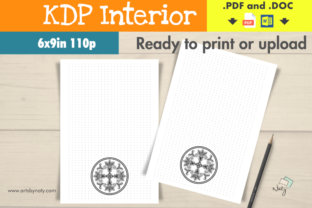
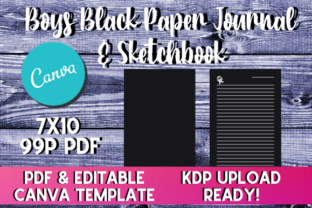
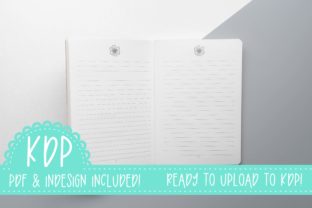
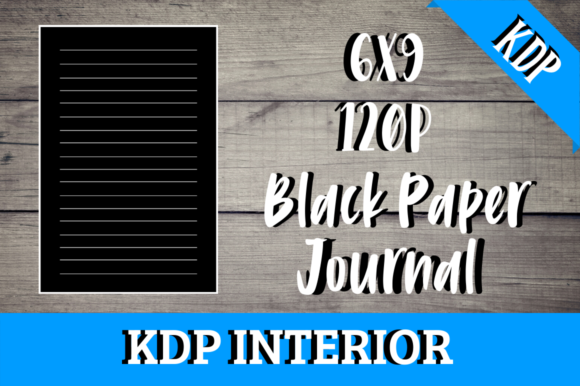
Launching a low-content publishing business often hinges on finding assets that are technically flawless and aesthetically distinct. The Black Paper Journal KDP Interior offers a sophisticated alternative to standard white notebooks, catering to creators who want their products to stand out in a saturated marketplace. This specific interior is engineered for immediate use, removing the technical friction that often slows down publishers. With 120 pages formatted specifically for Amazon’s print-on-demand requirements, this asset allows you to focus on cover design and marketing rather than margin calculations or bleed settings.
The visual character of black paper interiors evokes a sense of premium quality and modern elegance. Unlike traditional cream or white stock, black pages create high contrast when paired with metallic gel pens, chalk markers, or white ink. This aesthetic appeals to a demographic that values artistic expression and luxury stationery. For entrepreneurs and designers building a brand identity around creativity, mindfulness, or high-end organization, this interior serves as a foundational element. It transforms a simple notebook into a specialized tool for sketching, journaling, or planning, distinguishing your product from generic competitors through tactile and visual appeal.
Technical Specifications and KDP Compliance
One of the most significant hurdles in self-publishing is ensuring files meet strict printing guidelines. This Black Paper Journal KDP Interior eliminates guesswork by arriving pre-formatted with bleed. When uploading to KDP, you must select the "Bleed" option in the manuscript settings to ensure edge-to-edge printing without unwanted white borders. The trim size is set to the industry-standard 6 x 9 inches, which balances portability with ample writing space. This size is versatile enough for travel journals, daily planners, or artistic sketchbooks, making it a staple format for any serious publisher.
The included PDF contains exactly 120 pages, optimized for binding and readability. While black paper presents unique printing challenges, this file has been tested to ensure proper ink coverage and alignment. Publishers should note that black interiors require careful consideration during the proofing stage. Because KDP uses digital printing technology, color consistency can vary slightly between batches. However, starting with a professionally formatted source file significantly reduces the risk of rejection or poor-quality output. Always order a physical proof before launching to verify that the darkness of the pages meets your quality standards and that the bleed extends correctly to the trim line.
Strategic Applications Across Creative Niches
Versatility is key when selecting design assets for a commercial portfolio. While often associated with art journals, the Black Paper Journal KDP Interior performs exceptionally well across multiple niches. For marketers and content creators, these journals serve as excellent lead magnets or branded merchandise. A digital agency might offer a black-page idea journal as a client gift, reinforcing a sleek, modern brand perception. Similarly, educators and coaches can utilize this format for shadow work prompts or gratitude practices, where the dark background encourages introspection and reduces the intimidation of a blank white page.
In the realm of editorial design and packaging, the choice of interior influences the perceived value of the final product. Black paper suggests exclusivity and intentionality. Hobbyists and crafters often seek out these journals for specific media like charcoal, pastel, or metallic markers that simply do not pop on white paper. By positioning your product as a specialized tool for these mediums, you tap into passionate sub-niches with less competition. Whether targeting bullet journalists, astrologers creating moon phase trackers, or fashion designers sketching with white pencil, this interior provides the necessary canvas for diverse creative expressions.
Evaluating Design Assets for Commercial Success
Selecting the right interior goes beyond aesthetics; it requires evaluating how the asset supports your broader business goals. When incorporating the Black Paper Journal KDP Interior into your catalog, consider how it pairs with your existing offerings. Does it complement your current lineup of white-paper planners? Does it allow you to test a new price point? Premium interiors often command higher royalties, but they also require higher customer expectations. Ensure your cover design matches the sophistication of the interior. A matte finish with spot UV or gold foil effects (if using external printing) often pairs better with black pages than glossy covers, which can sometimes feel disjointed from the moody interior experience.
Readability and user experience remain paramount, even in no-content books. Although this is a blank interior, the tone of the black page dictates how users interact with it. Users cannot use standard ballpoint pens effectively; they need gel pens or markers. Your product description and listing images must educate potential buyers on this limitation to prevent negative reviews. Transparency builds trust and authority. Treat this interior not just as a file, but as part of a curated collection of design assets that solve specific problems for your audience. Testing different cover styles against this single interior can reveal valuable data about what your specific audience prefers, allowing you to refine your brand strategy over time.
Typography and Cover Pairing Considerations
While the interior is devoid of text, the typography chosen for the cover must harmonize with the black paper aesthetic. Modern typography trends favor clean sans serif fonts or elegant script fonts that mirror the contrast found inside. If your brand identity relies on bold, minimalist visuals, a strong display font in white or metallic ink creates immediate shelf appeal. Conversely, a handwritten font can soften the industrial feel of black paper, suggesting a more personal, organic journaling experience. Font pairing becomes critical here; ensure the title and subtitle hierarchy remains legible against dark backgrounds.
For publishers expanding into broader creative projects, understanding how this interior relates to other design disciplines is beneficial. The principles governing black paper journals—contrast, negative space, and material texture—apply equally to web design, social media graphics, and logo design. Using consistent visual language across your KDP products and digital marketing materials strengthens recognition. If you use a specific premium font for your journal covers, consider carrying that typeface into your Instagram templates or website headers. This cohesion signals professionalism and helps build a recognizable brand identity that transcends individual products.
Best Practices for Implementation and Licensing
Before listing your product, conduct thorough keyword research specific to black paper journals. Terms like "black sketchbook," "dark journal," and "gel pen notebook" attract buyers specifically looking for this format. Avoid generic terms that pit you against millions of white notebooks. Your metadata should reflect the unique utility of the Black Paper Journal KDP Interior. Highlight the 120-page count and 6x9 size in your bullet points, as these are decisive factors for many shoppers. Remember that customers searching for black interiors are often experienced users who know exactly what specifications they need.
Finally, always verify the commercial licensing terms associated with any design asset you purchase or download. While this interior is ready for KDP upload, ensuring you have full commercial rights protects your business from future legal issues. Keep records of your license agreements and source files. As your publishing business grows, maintaining organized documentation of your assets becomes as important as the creative process itself. By treating the Black Paper Journal KDP Interior as a professional-grade component of your publishing workflow, you position your business for sustainable growth and long-term credibility in the competitive low-content market.