Evaluating Handwriting Paper KDP Interiors for Low-Content Publishing
Selecting the right interior template is a foundational decision for any Amazon KDP publisher operating in the low or no-content niche. While journals and planners often dominate market discussions, specialized educational resources like handwriting practice books represent a distinct category with unique technical requirements. A pre-formatted Handwriting Paper KDP Interior serves as a functional utility product designed to assist learners in developing penmanship skills. For publishers evaluating this asset, understanding its specific configuration, market application, and technical limitations is essential for making an informed business decision.
Defining the Asset and Technical Specifications
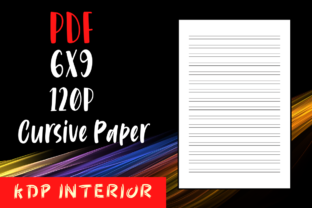
A Handwriting Paper KDP Interior is not merely lined paper; it is a structured layout typically featuring dashed midlines, solid baselines, and appropriate spacing to guide letter formation. When evaluating a ready-to-upload file, the technical specifications dictate the product's viability. The standard configuration for this type of interior is a 6 x 9 inch trim size with no bleed. This dimension is significant because it aligns with the most cost-effective printing tier on KDP while remaining portable enough for classroom use or travel.
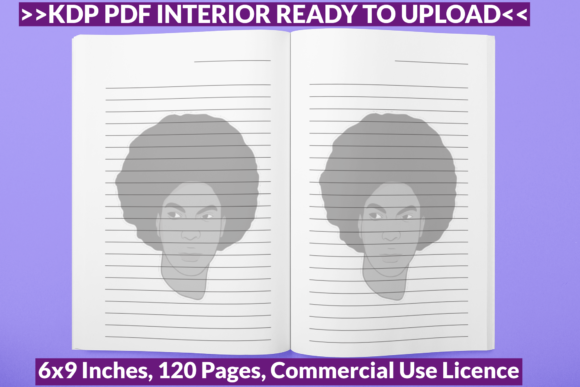
The specific asset described here comprises 120 pages in a PDF format that has been formatted and tested for KDP compliance. The "no bleed" setting is a critical evaluation point. In handwriting practice, margins are necessary to prevent binding from obscuring the writing area and to allow space for hole-punching if the user intends to transfer sheets to a binder. A no-bleed 6 x 9 interior ensures that all guidelines remain safely within the printable safe zone, reducing the risk of rejection during the upload process. Publishers must verify that the 120-page count provides sufficient value to justify the price point without inflating printing costs unnecessarily.
Strategic Fit for Low-Content Businesses
Publishers often seek handwriting interiors to diversify portfolios saturated with generic notebooks. This asset fits best when targeting specific educational demographics rather than general stationery buyers. The primary audience includes parents of preschoolers, homeschoolers teaching early literacy, and occupational therapists requiring repetitive practice materials. Unlike creative journals, handwriting paper is a consumable resource. Users frequently repurchase these books as they progress through different learning stages or require fresh practice sheets.
This interior is particularly suitable for publishers who lack graphic design expertise but understand keyword research and niche selection. Because the file is pre-tested and ready for printing, it eliminates the trial-and-error phase of formatting margins and gutters. This allows the publisher to focus entirely on cover design and metadata optimization, which are the primary drivers of discoverability in competitive categories. If your business model relies on volume and speed-to-market, utilizing a verified 120-page template reduces production friction significantly.
Benefits and Practical Advantages
The immediate advantage of using a pre-formatted Handwriting Paper KDP Interior is quality assurance. Formatting educational guidelines requires precision; lines that are too faint, too dark, or improperly spaced can render a book useless for its intended purpose. A tested file mitigates the risk of negative reviews stemming from poor usability. Furthermore, the 6 x 9 size offers a balanced page economy. It provides ample writing space without the bulk of an 8.5 x 11 workbook, making it less intimidating for young learners with smaller hands.
From a business perspective, this asset supports scalability. Once the interior is uploaded, creating variations becomes a matter of designing new covers for different sub-niches, such as "Cursive Practice," "Print Manuscript," or "Seasonal Handwriting." The standardized 120-page length also simplifies royalty calculations and pricing strategies, allowing for consistent profit margins across a series. Additionally, having a PDF that is already validated against KDP’s current submission guidelines prevents account warnings associated with repeated formatting errors.
Tradeoffs and Limitations to Consider
Despite the convenience, there are inherent tradeoffs to using stock interiors. The most significant is market saturation. Because accessible templates lower the barrier to entry, many publishers may utilize identical or similar layouts. This necessitates superior external differentiation through cover art and branding. If the interior is indistinguishable from competitors, success depends entirely on how effectively you communicate unique value through your listing.
Another consideration is the rigidity of the 6 x 9 no-bleed format. While practical, some educators prefer larger formats (8.5 x 11) for early learners who have not yet developed fine motor control. By choosing a 6 x 9 interior, you are implicitly selecting an audience that has moved past the initial scribbling stage or values portability over expansive workspace. Publishers must assess whether their target keywords align with this specific form factor. Additionally, pre-made interiors limit customization. You cannot easily adjust line height or add proprietary branding elements to the interior pages without altering the source file, which may void the "ready-to-upload" convenience.
Situations Where Alternatives Are Preferable
While a standard Handwriting Paper KDP Interior is effective for general practice, it may not be the optimal choice for every project. If you are targeting a highly specialized niche, such as left-handed writers or students with dysgraphia, a generic template may fail to meet specific ergonomic needs. Left-handed users often require slanted guidelines or top-binding options that standard portrait-mode interiors do not provide. In these cases, custom-designed interiors offer a competitive moat that stock files cannot replicate.
Similarly, if your goal is to create a comprehensive curriculum rather than a simple practice pad, a blank handwriting template is insufficient. Workbooks that integrate tracing exercises, letter recognition activities, and progressive difficulty curves require custom content creation. Publishers aiming for higher price points and greater authority in the education category should view pre-formatted interiors as supplementary products rather than flagship offerings. Alternatives like hiring a designer or learning Adobe InDesign become worthwhile investments when the product strategy demands unique intellectual property.
Decision-Making Framework for Publishers
Determining whether this specific Handwriting Paper KDP Interior aligns with your goals requires an honest assessment of your current portfolio and resources. Evaluate the following factors before acquisition:
- Niche Alignment: Does your existing audience overlap with early childhood education or homeschooling? Cross-promotion is more effective than building a new audience from scratch.
- differentiation Capacity: Can you create covers and listings that stand out despite using a common interior? Success requires marketing effort even when production is automated.
- Technical Comfort: Do you understand how to upload a no-bleed PDF correctly? Even tested files require proper setup in the KDP dashboard regarding bleed settings and trim size selection.
- Profit Goals: Have you calculated royalties based on the 120-page count at 6 x 9? Ensure the margin supports your advertising budget if you plan to run Amazon Ads.
Ultimately, a pre-formatted handwriting interior is a tool for efficiency, not a guarantee of sales. It serves publishers who prioritize consistency and speed in the low-content space. However, sustainable growth in this niche increasingly rewards those who combine reliable technical foundations with thoughtful market positioning. Use this asset to fill gaps in your catalog or test new keywords, but remain prepared to invest in customization or unique content as your business matures and competition intensifies.