Gift Log KDP Interior: Streamlining Production for Low Content Publishers
For self-publishers and low-content creators, the difference between a stagnant portfolio and a profitable asset often lies in the technical precision of the interior file. The Gift Log KDP Interior serves as a foundational production asset designed to eliminate formatting errors and accelerate time-to-market. Rather than spending hours adjusting margins or troubleshooting bleed settings, publishers can utilize this pre-formatted template to focus on cover design, keyword research, and marketing strategy. This 120-page interior is engineered specifically for Amazon KDP’s current printing specifications, ensuring that the transition from digital file to physical book is seamless.
In the broader context of a publishing business, this interior acts as a standardized manufacturing component. Just as a factory relies on calibrated molds to ensure product consistency, low-content publishers rely on tested interiors to maintain quality across multiple SKUs. By integrating the Gift Log KDP Interior into your workflow, you reduce the cognitive load associated with technical layout. This allows you to treat book creation as a scalable process rather than a bespoke craft project, which is essential for entrepreneurs managing large catalogs or seasonal releases.
Technical Specifications and Print Readiness
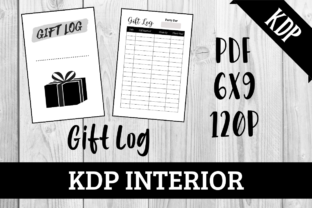
The primary value proposition of this asset is its adherence to strict print standards. The Gift Log KDP Interior is configured for a 6 x 9 trim size with no bleed. This specific dimension is the industry standard for journals, logbooks, and planners because it balances portability with adequate writing space. The "no bleed" designation is critical for operational efficiency; it ensures that all content remains safely within the printable area, eliminating the risk of text or lines being trimmed off during the binding process. This safety margin reduces customer returns and negative reviews related to printing defects.
The file package includes four distinct PDF variants. This variation is not merely aesthetic; it supports strategic diversification without requiring additional design labor. Publishers can use these variants to create bundled offerings, test different market segments, or refresh an existing listing with updated visuals while maintaining the same core utility. Each variant has been tested for KDP compatibility, meaning the gutter margins, line weights, and resolution are optimized for both black-and-white standard color printing options. This pre-validation step removes the most common bottleneck in the upload process: the rejection notification.
Integration Into Pre-Launch Workflows
Effective implementation begins before the cover is even designed. During the niche validation phase, the Gift Log KDP Interior allows for rapid prototyping. Instead of theorizing about whether a gift tracking format will work, publishers can quickly assemble a proof copy using the provided templates. This facilitates tangible user testing. You can print a sample at home or order a single proof copy to evaluate the usability of the tracking fields, the spacing of the lines, and the overall flow of the log. Feedback gathered at this stage informs metadata decisions and cover design elements, ensuring the final product aligns with actual user needs rather than assumptions.
Furthermore, having a finalized interior early in the process streamlines the cover creation workflow. Cover dimensions are dependent on page count and paper type. Because this interior is fixed at 120 pages, you can generate the exact cover template immediately. This eliminates the back-and-forth adjustments that occur when page counts shift during the editing phase. For marketers and publishers working with external designers, providing a confirmed spine width calculation alongside the creative brief prevents costly revision rounds and keeps launch schedules on track.
Operational Efficiency During Publishing
When scaling a low-content business, friction in the upload process compounds quickly. The Gift Log KDP Interior functions as a plug-and-play solution that standardizes the backend operations. When uploading to KDP, the system automatically recognizes the trim size and bleed settings if the file is correctly formatted. Using this tested asset minimizes the time spent in the previewer tool. Publishers can move through the setup phase in minutes rather than hours, allowing for higher volume output during peak seasons like Q4 when gift-related search traffic surges.
This efficiency extends to catalog management. By using consistent interior structures across multiple titles, you create a recognizable brand experience. Customers who purchase one version of the gift log know exactly what to expect from future purchases. This consistency builds trust and encourages repeat business. The four included variants support this branding strategy by offering visual variety while maintaining structural uniformity. It also simplifies inventory planning for those who utilize Author Copies for direct sales or events, as the physical specifications remain constant regardless of the visual style chosen.
Post-Publication Utility and Customer Experience
The true test of any logbook interior is its functionality in the hands of the end-user. The Gift Log KDP Interior is designed with practical tracking in mind. The layout accommodates the essential data points required for effective gift management: recipient names, occasions, dates, budget tracking, and notes. This structure transforms a blank notebook into a specialized tool. For the publisher, this utility translates to better organic rankings. Books that genuinely solve a problem receive higher engagement and more detailed reviews, which signals relevance to Amazon’s algorithm.
From a customer service perspective, a well-formatted interior reduces support inquiries. Issues such as text cutting into the binding gutter or lines that are too faint to write on are eliminated through professional pre-formatting. When users have a positive experience with the physical product, they are more likely to engage with other products in your ecosystem. This creates a virtuous cycle where technical quality drives market performance. Publishers should view the interior not just as a container for content, but as a primary driver of customer satisfaction and long-term brand equity.
Strategic Considerations for Long-Term Use
Sustainability in low-content publishing requires assets that remain relevant beyond a single trend cycle. The Gift Log KDP Interior possesses evergreen utility. Unlike dated planners that expire after a specific year, a gift log is perennial. This makes it an ideal anchor product for a publishing portfolio. The four variants allow for annual refreshes; you can update the cover and select a different interior variant each year to signal freshness to returning customers without redesigning the entire book from scratch. This approach maximizes the return on investment for the initial asset acquisition.
Compatibility with other tools is another factor for long-term success. This interior integrates smoothly with external marketing assets. Because the internal structure is standardized, creating promotional materials like "Look Inside" videos or A+ Content becomes predictable. You can capture screenshots or video footage of the interior once and reuse them across multiple campaigns. For educators or bloggers who recommend organizational tools, having a reliable, professionally formatted resource to endorse adds credibility to their content. The interior serves as a verified solution that fits into broader productivity and organization narratives.
Quality Control and File Management
Maintaining high standards requires disciplined file management. When utilizing the Gift Log KDP Interior, establish a naming convention that clearly identifies the variant, trim size, and version date. This prevents accidental uploads of outdated files or incorrect sizes. Store the master PDF files in a cloud-based system with version history enabled. If KDP updates its printing specifications in the future, having organized source files allows for quick adjustments or verification. Treat these files as intellectual property assets that require the same level of care as your manuscript drafts or financial records.
Regular quality audits are also recommended. Even with a tested template, printing technologies evolve. Ordering a fresh proof copy periodically ensures that the ink density and alignment meet current standards. This proactive approach to quality control distinguishes professional publishers from hobbyists. It demonstrates a commitment to the customer experience that transcends the initial sale. By embedding the Gift Log KDP Interior into a rigorous operational framework, publishers build a resilient business capable of adapting to market changes while maintaining consistent product excellence.
Ultimately, the Gift Log KDP Interior represents a shift from reactive creation to proactive production. It provides the technical certainty needed to execute publishing strategies with confidence. Whether you are launching your first title or optimizing a catalog of hundreds, this asset removes variables that introduce risk. It allows creators to dedicate their energy to the aspects of the business that drive growth: understanding audiences, crafting compelling offers, and building sustainable workflows. In an industry where margins are thin and competition is high, technical reliability is not just a convenience—it is a competitive advantage.