KDP Vision Board Journal 1: A Strategic Asset for Low-Content Publishing
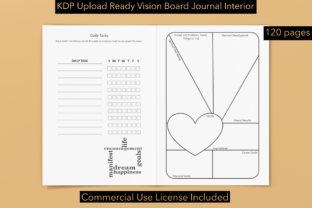
For independent publishers and digital entrepreneurs, the difference between a stagnant portfolio and a scalable publishing business often lies in asset efficiency. KDP Vision Board Journal 1 represents more than just a collection of pages; it is a pre-engineered interior solution designed to streamline the production workflow for Amazon Kindle Direct Publishing. This 120-page, 6x9 interior with bleed serves as a foundational tool for creators who need to balance quality output with operational speed. By utilizing a ready-to-upload PDF and included PNG assets, publishers can bypass the repetitive design phase and focus on market positioning, keyword strategy, and brand development.
The strategic value of this specific journal interior extends beyond mere convenience. In the low-content and medium-content publishing space, saturation is a genuine risk. Success depends on identifying niches where visual aspiration meets functional planning. KDP Vision Board Journal 1 targets the intersection of mindfulness and goal achievement, a segment that consistently attracts professionals, students, and creatives seeking tangible methods for visualization. Understanding how to leverage this asset effectively requires moving past the concept of "passive income" and treating the journal as a deliberate product within a broader content ecosystem.
Operational Efficiency and Technical Specifications
Time is the most finite resource for any solopreneur or small publishing team. Creating a high-quality, bleed-compliant interior from scratch can consume dozens of hours, particularly when accounting for margin safety zones and resolution requirements. KDP Vision Board Journal 1 eliminates this technical friction. The inclusion of a print-ready PDF ensures that the 6x9 dimensions adhere strictly to KDP’s bleed specifications, preventing common rejection errors related to trim lines or gutter margins.
Furthermore, the provision of individual PNG page images adds a layer of versatility that standard PDF-only interiors lack. While the PDF is optimized for direct upload, the PNG files allow for:
- A+ Content Creation: Use high-resolution page images to create rich marketing graphics for your Amazon product detail page without needing to screenshot or recreate layouts.
- Social Media Marketing: Showcase specific interior spreads on Pinterest or Instagram to demonstrate value to potential buyers before they purchase.
- Customization: Edit individual pages in external software to add unique prompts, quotes, or branding elements, creating a differentiated version of the base asset.
- Digital Product Bundles: Repurpose the PNGs for digital download products on platforms like Etsy, maximizing the ROI of a single asset acquisition.
This multi-format approach transforms a single purchase into a comprehensive media kit, supporting both the physical book listing and the surrounding marketing infrastructure necessary for visibility.
Strategic Positioning in the Goal-Setting Niche
Vision boards are often misunderstood as purely decorative or esoteric. However, from a product perspective, they function as cognitive tools for focus and decision-making. When positioning KDP Vision Board Journal 1, successful publishers frame the product through the lens of utility rather than just aesthetics. The 120-page count is significant; it provides enough volume to be perceived as a substantial workbook rather than a thin pamphlet, yet remains cost-effective to print, preserving royalty margins.
Effective positioning involves identifying specific sub-niches within the broader vision board category. A generic "Vision Board Journal" faces immense competition. Strategic application of this interior might involve targeting specific demographics or professional use cases:
- Entrepreneurial Planning: Position the journal as a business visualization tool for startups, focusing on quarterly goals and revenue milestones.
- Educational Aspirations: Target students preparing for college or graduate school, framing the journal as a study motivation and career mapping aid.
- Creative Professionals: Market to artists, writers, and designers as a project incubation space for brainstorming and conceptual development.
- Wellness and Recovery: Align the journal with habit tracking and mental health routines, emphasizing consistency over perfection.
By anchoring KDP Vision Board Journal 1 to a specific user intent, you move away from competing on price and begin competing on relevance. The interior’s structure supports these varied narratives because vision boarding is inherently adaptable; the value comes from the context you provide via the cover, title, subtitle, and description.
Integrating the Journal into a Broader Business Strategy
Relying on a single SKU is rarely a sustainable long-term strategy. KDP Vision Board Journal 1 should be viewed as a component of a larger brand architecture. Thoughtful integration means using this journal to support other business objectives, such as list building, authority establishment, or cross-promotion.
Consider the role of this journal in customer experience. Because the interior is standardized, you can create consistent companion materials. If you operate an author website or email newsletter, you might offer a free digital mini-version (using the included PNGs) as a lead magnet. This creates a funnel where readers discover your brand through free value, engage with the paid physical journal, and potentially return for future titles. The consistency of the interior design across formats reinforces brand recognition and trust.
Additionally, this asset supports learning and skill development for new publishers. Analyzing the layout, spacing, and flow of a professionally designed interior provides implicit education in book formatting. Observing how bleed is handled, how white space is utilized to prevent visual fatigue, and how repetitive structures maintain engagement offers practical insights that can be applied to future custom projects. It serves as both a revenue-generating product and a reference standard for quality.
Risks and Considerations for Intentional Use
While pre-made interiors accelerate production, they introduce specific risks that must be managed strategically. The primary concern is duplication. Because KDP Vision Board Journal 1 is available to multiple users, there is a possibility of identical interiors appearing in the marketplace. Amazon’s algorithms may penalize duplicate content, or customers may leave negative reviews if they feel they have purchased a generic commodity.
To mitigate this risk, intentional modification is essential. Do not rely solely on the stock PDF. Use the PNG assets to alter at least 10–20% of the content. This could include:
- Adding a proprietary introduction or user guide specific to your niche.
- Inserting custom affirmation pages or specialized tracking sheets relevant to your target audience.
- Modifying the cover design significantly to ensure the exterior does not resemble other books using the same interior.
- Reordering sections to create a unique user journey that differs from the default sequence.
Another risk is misalignment between the interior and the marketing promise. If your title suggests a "Financial Freedom Vision Board," but the interior contains generic lifestyle imagery or vague prompts unrelated to finance, customer satisfaction will plummet. Always audit the 120 pages against your intended value proposition before uploading. Ensure the content delivers on the specific expectations set by your metadata. Authenticity in product-market fit is critical for maintaining account health and generating organic reviews.
Making Better Decisions About Low-Content Assets
Acquiring KDP Vision Board Journal 1 is a tactical decision, but deploying it is a strategic one. Before adding this to your catalog, evaluate your current portfolio gaps. Does this interior complement your existing titles, or does it dilute your brand focus? If you specialize in technical textbooks, a vision board journal may confuse your audience. Conversely, if you publish in the self-help, productivity, or creative arts spaces, this asset likely fills a functional need.
Decision-makers should also consider the lifecycle of the product. Vision boards are often seasonal, with demand peaking during Q4 and Q1. Planning your upload and marketing schedule around these cycles maximizes visibility. However, evergreen applications exist year-round for specific niches like wedding planning or career transitions. Analyze search volume trends for your chosen sub-niche to determine the optimal launch window.
Ultimately, the utility of KDP Vision Board Journal 1 is determined by the effort invested in its contextualization. It is a high-quality raw material, not a finished masterpiece. Publishers who treat it as a shortcut to easy profits often face stagnation. Those who treat it as a flexible foundation for thoughtful product development, supported by robust marketing and niche-specific customization, are better positioned to achieve sustainable results. The included PDF and PNG assets provide the technical capability; your strategic insight provides the commercial viability.
Final Thoughts on Sustainable Publishing
In the evolving landscape of Kindle Direct Publishing, operational leverage is key. Tools like KDP Vision Board Journal 1 enable creators to maintain momentum without sacrificing quality. By understanding the technical specifications, respecting the need for differentiation, and aligning the product with genuine user needs, publishers can transform a standard interior into a valuable asset. The goal is not merely to publish more books, but to publish better products that serve specific audiences effectively. When used with intention and strategic foresight, this journal interior becomes more than a file—it becomes a catalyst for business growth and creative fulfillment.